Latest posts
Why Japanese Products Are Designed for More Than One Japan
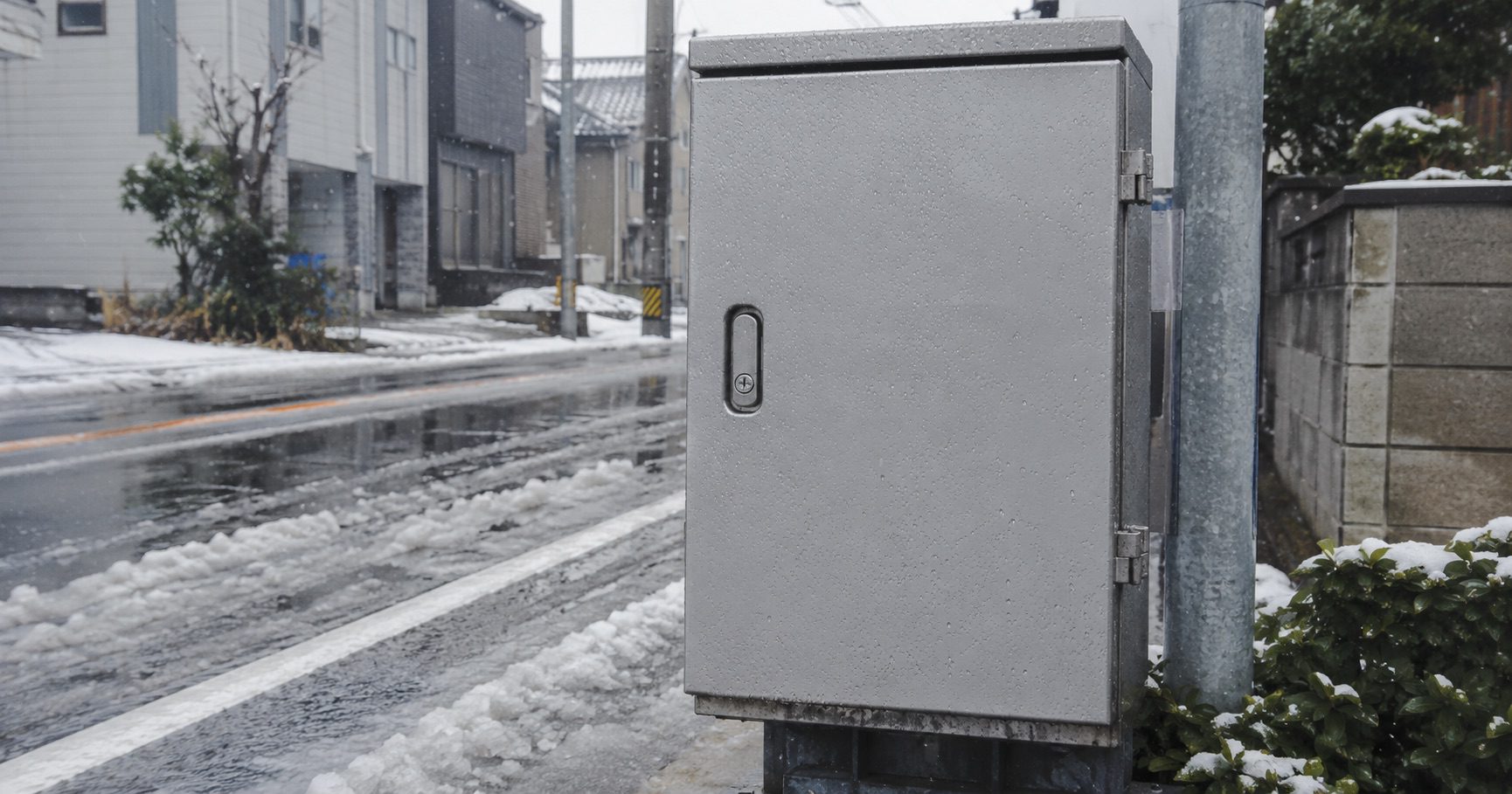
Why Japanese Products Are Designed for More Than One Japan Notes from someone who has designed for both buildings and the assembly line My car inspection is coming up. And out of nowhere, it brought back the years I spent in automotive parts development. Back then, conversations about cold regions, coastal corrosion, humidity, and snow…
From Endurance to Disengagement in Japan

From Endurance to Disengagement in Japan Older generations survived by enduring. Younger people may be surviving by not caring too much. I grew up in Japan watching two different survival strategies overlap. Older people endured. Younger people did not always fight back. Many simply learned not to care too much. For a long time, I…
Why Japanese People Don’t Criticize Upward
Why Japanese People Don’t Criticize Upward Not only “authority.” Something wider too — jōge kankei — and harder to translate. A Swiss friend — we’ve spent years working together on projects in Japan, and he’s become one of my closest friends — asked me a question right after I told him I’d started a blog.…
Japanese People Don’t Speak Up. So Where Does All That Self-Expression Go?
Japanese People Don’t Speak Up. So Where Does All That Self-Expression Go? On expression, assertion, and where the energy actually goes Japanese people do not express themselves. Or at least, that is how they are often described from the outside. Japanese people do not speak up. They stay quiet in meetings. They avoid saying what…
Is That Explanation of Japan Safe to Use?
Is That Explanation of Japan Safe to Use? Why some descriptions of Japan make me stop before I finish reading I have been reading articles about Japan recently. Articles written by Japanese people, in English, explaining Japanese communication, Japanese silence, Japanese indirectness. And I keep hitting the same reflex. Not disagreement, exactly. More like a…
Japan’s Gray Companies Are Not Black. But They Are Not Safe Either.
Japan’s Gray Companies Are Not Black. But They Are Not Safe Either. Why the most confusing workplaces in Japan do not look like a problem until you are inside one. I have probably never worked at a black company. That sounds like a good thing. And legally, maybe it is. But I have worked in…
Why a Resume Gap Is a Red Flag in Japan: The Unbroken Line
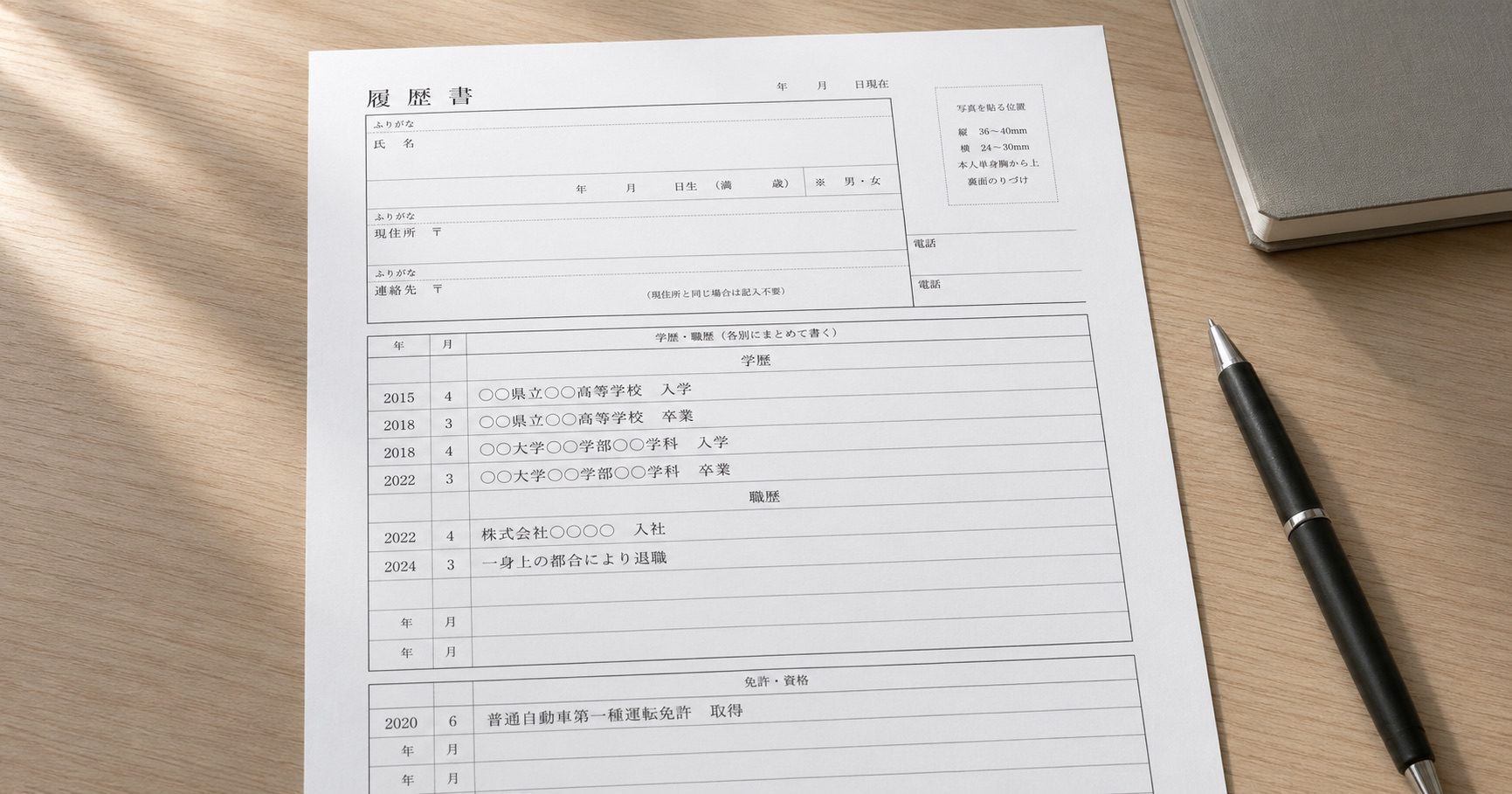
Why a Resume Gap Is a Red Flag in Japan: The Unbroken Line In much of the Western world, attitudes toward resume gaps have shifted significantly. A career break for travel, caregiving, burnout, study, recovery, or simply figuring out what comes next is increasingly accepted — something to explain briefly, not apologize for. In Japan,…
When Discipline Outlives Purpose
When Discipline Outlives Purpose On the Five Whys, the wrong Disneyland, and what I keep noticing about Japan. I keep noticing the same pattern in completely different places. English education. Academic credentials. Corporate KPIs. Improvement activities. Career paths. They seem unrelated. But they often end in the same place: the method gradually becomes more important…
Why Japanese Work Culture Relies on Effort Over Systems
Why Japanese Work Culture Relies on Effort Over Systems How hard work, kaizen, and unclear job boundaries hide the real cost of weak systems. Japan is often praised for hard work. And honestly, I understand why. Japanese people can be remarkably responsible. They adjust, stay late, find a way, and do not easily say, “That…
Why Logic Doesn’t Always Win in Japanese Companies
Why Logic Doesn’t Always Win in Japanese Companies Resistance to change is universal. Walk into any organization anywhere in the world, propose something that threatens the way things work, and someone will push back. That’s not Japanese. That’s human. What happens next is where Japan gets specific. I did not join the company to change…
Nomikai: What the Guidebooks Don’t Tell You
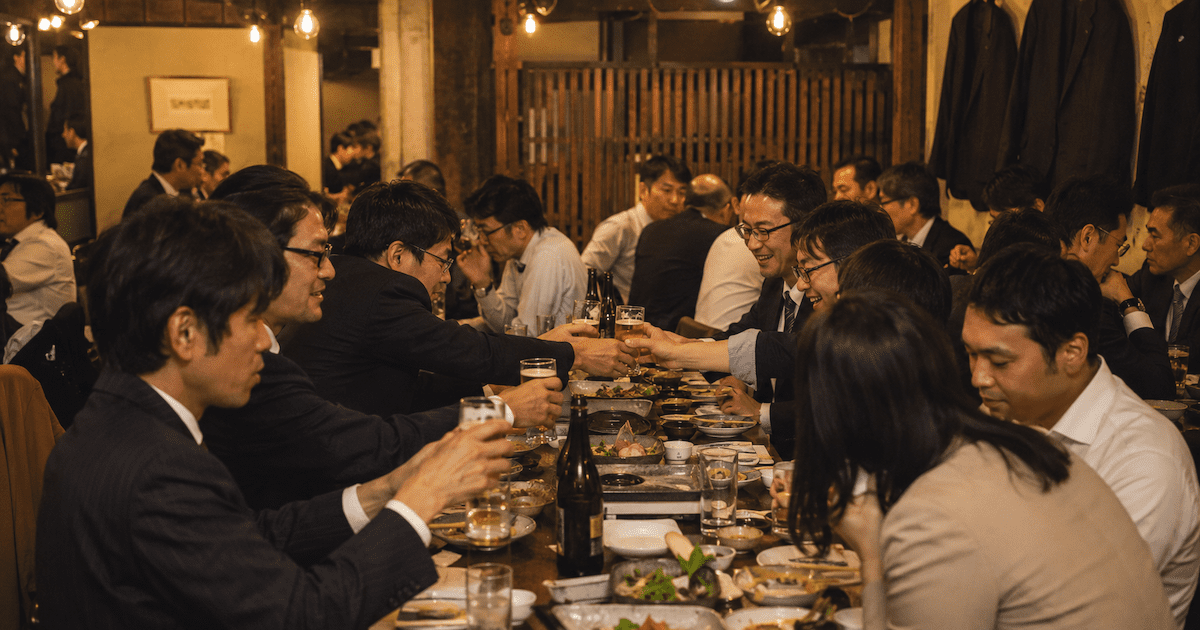
Nomikai: What the Guidebooks Don’t Tell You A nomikai is a Japanese work drinking party. It usually happens after office hours, often at an izakaya, and it is commonly explained as a chance for coworkers to relax, bond, and speak more openly. That explanation is not wrong. But it is too clean. If you only…
Why Japanese Workers Are Judged on Presence, Not Performance
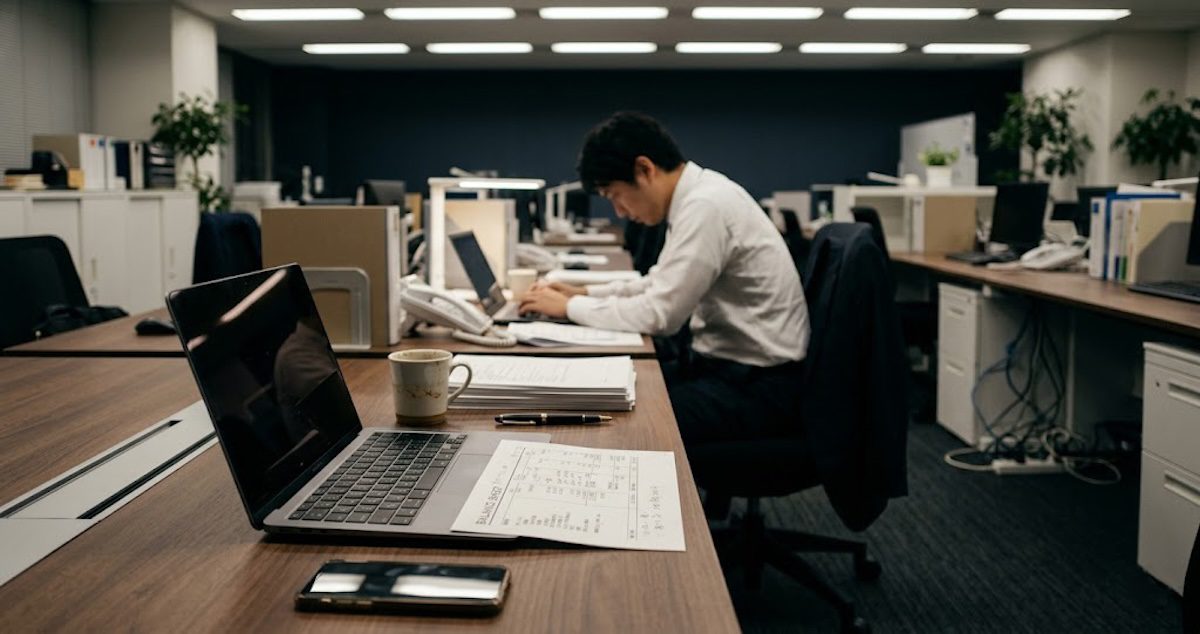
Why Japanese Workers Are Judged on Presence, Not Performance I spent a significant part of my career being considered, by at least some of my colleagues, as someone who wasn’t really working. I was in a technical role, but spent a lot of time away from my desk — in other departments, in meetings I…
Why Is There Always a Cardboard Box in the Corner of a Japanese Office?
Why Is There Always a Cardboard Box in the Corner of a Japanese Office? Every foreign manager I’ve worked with has noticed it. They walk into a Japanese office for the first time — sometimes flying in from Europe or the United States, sometimes just moving between floors — and somewhere in the room, there…
Japan Has Some of the World’s Best Management Tools. So Why Doesn’t It Work? – Part 2
Japan Has Some of the World’s Best Management Tools. So Why Doesn’t It Work? – Part 2 This is a follow-up to Part 1, which introduced the concept of otoshidokoro — the Japanese approach to finding a landing point that everyone can accept. If you haven’t read it, it helps to start there. Start with…
Why Japanese Meetings Don’t Choose A, B, or C — They Land on X – Part 1
Why Japanese Meetings Don’t Choose A, B, or C — They Land on X – Part 1 Understanding Otoshidokoro, Nemawashi, and Japan’s Strange Art of Compromise. A foreign colleague asked me a question once that I found genuinely difficult to answer. We had been through a long decision-making process at work. Multiple options had been…
Why Does It Take So Long to Get a Decision in Japan? A Japanese Person’s Honest Answer.
Why Does It Take So Long to Get a Decision in Japan? A Japanese Person’s Honest Answer. Ask any foreigner who has worked in Japan long enough, and you’ll get the same answer: decision-making is slow. Painfully slow. Inexplicably slow. I’m Japanese. I’ve worked inside this system for most of my career. And I agree.…
In Japan, “No” Gets Said. Just Not Out Loud.
In Japan, “No” Gets Said. Just Not Out Loud. You invite a Japanese colleague for drinks after work. They smile. They say something like “Today is a little…” or “I’ll come if I can.” You’re not sure if that’s a yes or a no. Welcome to Japan. That confusion doesn’t go away when you get…
Kamiza and Shimoza: Japan’s Invisible Seating Hierarchy
Kamiza and Shimoza: Japan’s Invisible Seating Hierarchy Most foreigners walk into a Japanese meeting room and sit down wherever seems convenient. Near the door. Near the window. Wherever the bag lands. Nobody says anything. But something has been registered. It Started With Assassins. One common explanation starts with assassins. The seating hierarchy in Japanese meeting…
You Tried to Fit In at a Japanese Workplace. That Was the Problem.
You Tried to Fit In at a Japanese Workplace. That Was the Problem. You’ve learned some Japanese. You’ve read about the culture. You show up to nomikai. You bow correctly. You wait your turn in meetings. And yet — something doesn’t click. You’re there, but you’re not quite in. Most explanations stop at “language barrier.”…
Hōrenso: It’s Not Micromanagement. It’s How the Team Stays Alive.
Hōrenso: It’s Not Micromanagement. It’s How the Team Stays Alive. There’s a moment that happens to almost every foreign professional working in Japan. You’re doing your job. Things are moving. You have a plan. And then your manager asks: “Can you give me an update on where things stand?” You just gave one yesterday. Nothing…
Japan Has No Job Description. That’s the Job.
Japan Has No Job Description. That’s the Job. Nobody told me where my job ended. Nobody could. Japanese people are often described as having a strong sense of responsibility. That’s true. I’ve seen it. I’ve lived it. And yet — those same people will stay silent in meetings, avoid making decisions, and find every possible…
Nobody Speaks in Japanese Meetings. Something Is Still Being Decided.
Nobody Speaks in Japanese Meetings. Something Is Still Being Decided. If you’ve ever sat in a meeting in Japan and thought, “Why is nobody saying anything?” — you’re not alone. It’s one of the first things foreigners notice. And most of the explanations out there miss the point. This isn’t only about harmony. It’s not…
Karoshi Is Visible. The System That Produces It Isn’t.
Karoshi Is Visible. The System That Produces It Isn’t. Most foreigners who spend time in Japan eventually learn one Japanese word they didn’t expect to need. Karoshi. Death from overwork. The word now covers not only death from physical overwork, but also work-related mental illness and suicide. It makes international headlines periodically — a young…