
Leave Your Tip on the Table. A Japanese Server Will Chase You Down to Return It
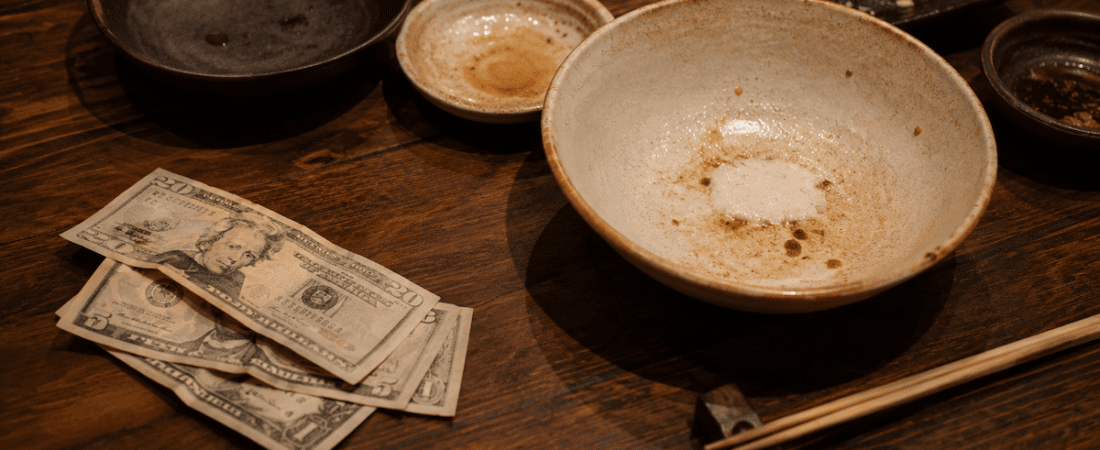
You’ve just had a great meal. The service was attentive, the food was excellent, and you want to show your appreciation the way you would back home. You leave a few extra bills on the table.
The server comes running after you.
Smiling. Both hands raised. The universal gesture for “please, no.”
You’ve just tried to tip in Japan.
The explanation you’ll usually hear.
Ask around and you’ll get some version of this: Japanese service culture is built on pride. Staff take their work seriously as a profession. To tip is to imply that their standard service wasn’t enough — that they needed extra incentive to do their job well. It’s almost an insult.
It’s a good story. It’s also mostly incomplete.
What’s actually going on.
The more honest explanation is structural.
In much of the United States, tipping isn’t optional — it’s how service workers make a living. Base wages in the industry are often legally set below minimum wage, with the expectation that tips will make up the difference. The customer isn’t rewarding exceptional service. They’re completing the transaction.
Japan doesn’t work that way. Service staff are paid by the employer through wages — whether salaried or hourly — not by customers through tips. The cost of service is already priced into what you paid for your meal.
So when you leave extra money, there’s no system to receive it. No tip jar. No line on the receipt. If a staff member accepts it, they may need to report it. Report it, and it might go to the restaurant. Which means the person you wanted to reward ends up with nothing anyway, plus the administrative inconvenience of having handled it.
The smile and the two-handed stop gesture? That’s not humility. That’s someone calculating the hassle in real time.
Though — let’s be honest.
Privately, plenty of people would probably be happy to receive extra money. Money is money.
The system says no. The person inside the system is still human.
This gap — between what the structure allows and what the individual actually feels — is one of the more quietly interesting things about working life in Japan. The role absorbs the person. What the role can’t accept, the person can’t accept either. Even when they’d like to.
So should you tip in Japan?
No. Not because it’s offensive, but because it genuinely creates problems for the person you’re trying to thank.
If the service was exceptional and you want to acknowledge it, the most meaningful thing you can do is come back. Or say so directly. In a culture where unsolicited positive feedback is rare, a simple “that was really good” lands differently than you’d expect.
The server who stopped you at the door with both hands raised? They were doing their job. They were also, somewhere in there, a little bit sorry to say no.
One note: high-end restaurants and hotels often add a service charge — often around 10 to 15% — directly to your bill. That’s the system’s version of a tip, already built in.
All of the above is one Japanese person’s interpretation. Treat it accordingly.

Leave a Reply